Spirits · 101
Whisky 101: Every kind, made simple.
9 min read
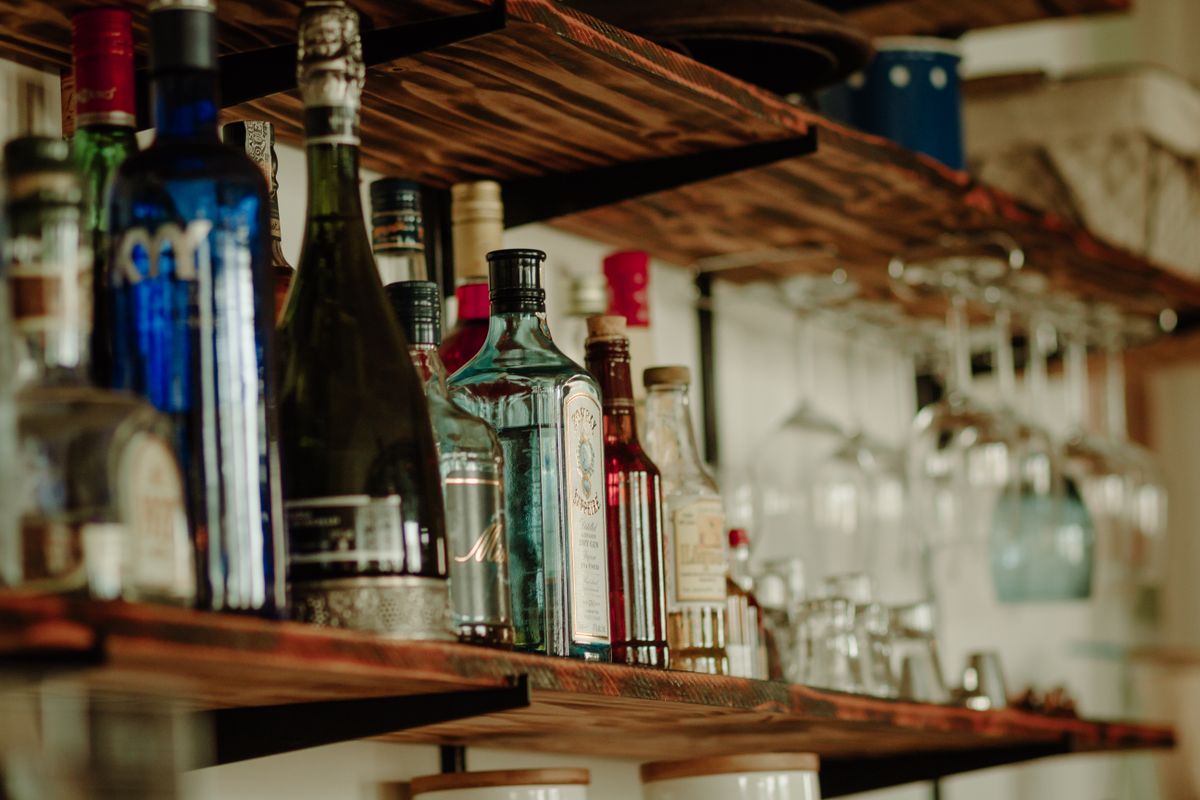
What is whisky?
Whisky (or whiskey — the spelling depends on where it's made) is a spirit distilled from fermented grain and aged in wooden barrels. That's the entire idea. Everything else — smoke, sweetness, spice, colour — comes from four variables: the grain used, the water and yeast, how it's distilled, and how long (and in what) it's aged.
The four ingredients
- Grain
- Barley (usually malted), corn, rye, wheat — each contributes different flavours.
- Water
- The neutral canvas. Local water sources shape regional styles.
- Yeast
- Converts sugars to alcohol; different yeast strains create different fruity/spicy notes.
- Oak
- Where the magic happens. New charred oak vs. used sherry casks changes everything.
How whisky is made
The process from field to glass is remarkably universal — even if the labels look wildly different.
- Grain selection
- Barley for malts, corn for bourbon, rye for rye whiskey. The choice defines the family.
- Mashing
- Cooking crushed grain in hot water to extract fermentable sugars.
- Fermentation
- Yeast turns those sugars into a rough, beer-like liquid called 'wash' at around 8% ABV.
- Distillation
- Heating the wash in stills concentrates the alcohol. Scotch is usually pot-distilled twice; Irish is often triple-distilled.
- Maturation
- The distillate rests in oak barrels for years. Wood, climate and time do the heavy lifting.
- Cask selection
- Ex-bourbon barrels give vanilla; sherry casks add dried fruit; new charred oak brings caramel and spice.
- Blending & bottling
- The master blender balances different casks and often reduces the strength with water before bottling.
The whisky families
- Scotch whisky
- Made in Scotland from malted barley. Aged at least 3 years. Often smoky (Islay) or floral (Speyside).
- Irish whiskey
- Triple-distilled and smoother. Made in Ireland, aged at least 3 years.
- Bourbon
- American whiskey, at least 51% corn, aged in new charred oak. Sweet, caramel, vanilla.
- Tennessee whiskey
- Legally bourbon plus the Lincoln County Process — charcoal-mellowed before ageing.
- Rye whiskey
- Spicier than bourbon, at least 51% rye grain. The Manhattan and Sazerac base.
- Canadian whisky
- Typically lighter and smoother, often called 'rye' colloquially in Canada.
- Japanese whisky
- Style-wise similar to Scotch but often more delicate; increasingly world-class.
- Indian whisky
- Amrut, Paul John, Rampur, Indri, Godawan — tropical climate ages spirits faster and adds intense character.
The six Scotch regions
- Highlands
- Vast region with everything from rich Dalmore to delicate Glenmorangie.
- Lowlands
- Traditionally triple-distilled, light and grassy. Auchentoshan is the classic.
- Speyside
- Home to Glenlivet, Glenfiddich, Macallan. Often fruity, sweet, sherry-influenced.
- Islay
- Peated smoky monsters — Ardbeg, Lagavulin, Laphroaig.
- Campbeltown
- Tiny region on the west coast, briny and complex. Springbank is the icon.
- Islands
- Highland Park, Talisker, Jura — maritime with variable smoke.
Malt vs Grain vs Blends
- Single malt
- One distillery, 100% malted barley, pot-distilled.
- Blended malt
- Malts from multiple distilleries blended together (no grain).
- Single grain
- One distillery, but uses other grains beyond barley.
- Blended Scotch
- A mix of malt and grain whiskies from different distilleries — Johnnie Walker, Chivas, Ballantine's.
- Grain whisky
- Made in continuous stills from grains like corn or wheat — often lighter.
Common flavour profiles
When bartenders and tasters describe whisky, they usually reach for one or more of these categories:
- Fruity
- Apple, pear, dried apricot, orange peel.
- Floral
- Heather, rose, honeysuckle.
- Spicy
- Cinnamon, black pepper, clove, ginger.
- Smoky / Peaty
- Bonfire, iodine, seaside — from burning peat during malting.
- Woody
- Toasted oak, cedar, resin — from the barrel.
- Vanilla
- The signature of ex-bourbon casks.
- Caramel
- Toffee, butterscotch — often from long ageing in oak.
- Nutty
- Almond, walnut, hazelnut.
- Citrus
- Lemon, grapefruit, marmalade.
How to actually taste whisky
Pour a small measure (30ml) into a tulip-shaped glass. Look, swirl, and sniff first — most of what we call 'taste' is actually smell. Take a small sip, let it coat your tongue, and pay attention to what happens after you swallow (the 'finish').
Then add a few drops of water — good whisky opens up. This isn't sacrilege; it's how master distillers taste.
Neat, rocks, water, cask strength
- Neat
- Room temperature, no additions. The purist way.
- On the rocks
- Over ice. Chills and slowly dilutes; great for stronger pours.
- With water
- A few drops open up the aromas. Recommended for high-ABV whiskies.
- Cask strength
- Bottled without dilution, usually 55-65% ABV. Add water to taste.
Whisky terminology, decoded
- ABV
- Alcohol By Volume. Standard whisky is 40%; cask strength can be 60%+.
- Proof
- An older US measure. Proof = ABV × 2. 80-proof = 40% ABV.
- NAS
- No Age Statement. The whisky's age isn't printed — could still be excellent.
- Angel's share
- Whisky that evaporates from the cask during ageing — 1-2% per year in Scotland, more in India.
- Finish
- The taste that lingers after swallowing. Also: additional ageing in a different cask (e.g., 'sherry finish').
- Mash bill
- The exact grain recipe. A bourbon's mash bill might be 70% corn, 20% rye, 10% malted barley.
- Dram
- Informal Scottish term for a small pour of whisky.
- Non-chill filtered
- The whisky isn't chilled and filtered before bottling — often preserves more flavour and texture.
Whisky in cocktails
Bourbon and rye are the workhorses of the classic cocktail canon. The Old Fashioned, Manhattan, Whisky Sour and Sazerac are all rooted in American whiskey. Blended Scotch works well with soda (a Highball), while single malts are usually best neat — a great cask deserves a good listen.
Indian whisky, in one paragraph
For decades 'Indian whisky' meant molasses-based spirits sold as whisky within India. That's changed. Amrut, Paul John, Rampur, Indri and Godawan are now producing single malts that regularly win world awards. India's tropical climate ages spirits much faster — an Indian 4-year-old can taste like a 12-year Scotch. Try Paul John Nirvana for a friendly introduction, or Amrut Peated for smoke.
Beginner recommendations
- If you like sweet coffee drinks
- Try a Bourbon (Woodford Reserve, Maker's Mark).
- If you like bitter / dark chocolate
- Try a peated Scotch (Talisker, Ardbeg 10).
- If you like light beers and citrus
- Try an Irish whiskey (Jameson, Bushmills) or Japanese Toki.
- If you like sherry and dried fruit
- Try Speyside (Glenlivet 12, Macallan 12).
- If you want an Indian introduction
- Paul John Nirvana or Amrut Fusion.
One last thing
Drink responsibly — legal drinking age varies by Indian state and territory. If you're new to whisky, start small: 30ml with a splash of water, sip slowly, and give yourself time to notice what you actually like. Whisky is not a race.
"The best glass of anything is the one you understand."
— Sip Alchemy